Explore Wide-Ranging Property Listings Online: Your Essential Guide to Identifying the Perfect Home
In our modern digital era, finding the perfect home has become increasingly convenient through extensive property listings available online. Potential buyers can take advantage of various platforms to examine now determine key features that correspond to their needs. From crucial amenities to neighborhood safety, each detail plays a significant part in the decision-making process. However, maneuvering through countless listings can be challenging, prompting the question of how to streamline this search effectively. The subsequent measures are essential for a successful home-buying journey.
Grasping Property Listings: Essential Features to Evaluate
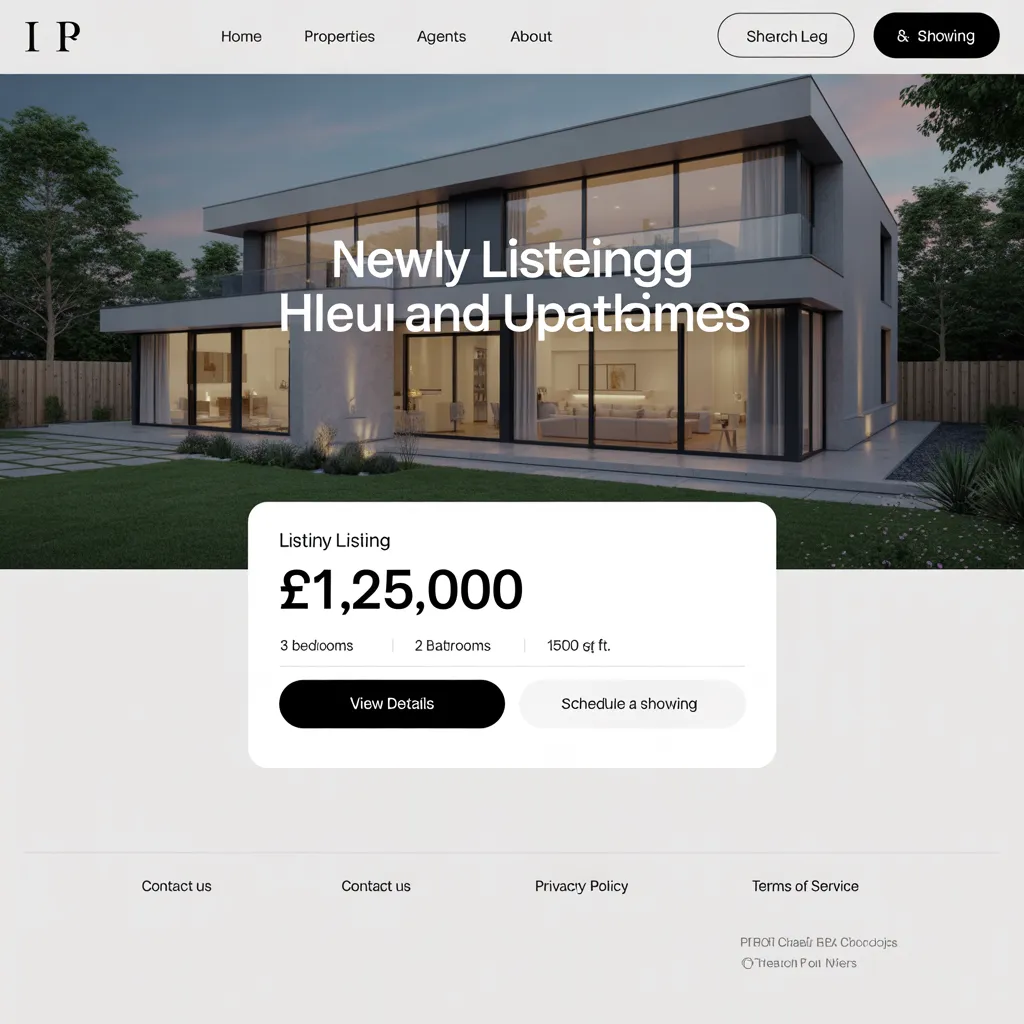
Property listings function as vital tools for potential buyers and investors navigating the real estate market. They offer important insights into available properties, often showcasing key elements that can shape purchasing decisions. Among the most important aspects are the property type, location, and price. Prospective buyers should also take note of the number of bedrooms and bathrooms, as these directly impact living arrangements. Additionally, square footage and lot size are critical for assessing space requirements.
An additional important feature is the inclusion of quality images, which present visual context and allow buyers assess a property's condition. Listings commonly detail amenities, such as pools or garages, which boost appeal. Finally, the availability of virtual tours or videos can provide an immersive experience, permitting potential buyers to explore properties from the comfort of their homes. Grasping these features is crucial for making informed decisions in a challenging real estate landscape.
Managing Online Platforms: Strategies for Streamlined House Hunting
How can one effectively navigate the myriad of online platforms offered for home searching? First, it is essential to locate reliable websites that specialize in real estate listings. These platforms commonly aggregate properties from different sources, presenting a thorough view of available homes. Users should establish an account on these sites to keep searches and receive notices for new listings that satisfy their criteria.
In addition, it is helpful to explore user evaluations and ratings of the platforms to measure their effectiveness. Familiarizing oneself with the layout and features of each platform can expedite the search process. Moreover, making use of mobile apps can deliver on-the-go access to listings, promoting timely decisions.
Finally, participating in online communities or forums can provide insights and recommendations from other homebuyers. This combined knowledge can enhance a buyer's understanding of the housing market and enhance the overall house-hunting experience.
Using Filters and Search Tools to Refine Your Possibilities
Web-based platforms frequently feature several filters and search tools that allow users to refine their property searches effectively. These tools empower potential buyers or renters to define their specifications, such as price range, number of bedrooms, and property type, guaranteeing that search results align closely with their needs.
In addition, individuals can typically search by facilities, including swimming pools, garages, or distance from public transportation, which can greatly limit selections. Location-based filters permit prospective buyers to zero in on particular neighborhoods or zip codes, streamlining the process considerably.
Many platforms also provide sorting tools, allowing users to browse listings by criteria like newest listings, price, or square footage. By leveraging these filters and search tools, people can streamline and improve their house-hunting experience, making it more efficient to locate properties that meet their specifications in a crowded market.
Assessing Neighborhoods: Finding the Ideal Location
While searching for a new home, the importance of evaluating neighborhoods cannot be overstated, as the right location can significantly impact quality of life and contentment. Future homeowners should consider several key factors to make an informed decision. First, safety is paramount; researching crime rates can provide understanding of the area's security. Next, the quality of local schools is essential for families, as strong educational institutions often improve property values. Furthermore, amenities such as parks, shopping centers, and public transportation should be examined for convenience and overall quality of life. Community demographics, including age and socio-economic status, can also influence the neighborhood's vibe and culture. Finally, future development plans may affect long-term desirability, so monitoring city zoning regulations and upcoming projects is critical. By systematically evaluating these aspects, individuals can verify they select a neighborhood that aligns with their personal and financial goals.
Maximizing Virtual Tours and Open Houses
How can you improve the experience of virtual tours and open houses? To maximize engagement, prospective buyers should create a checklist of key features, such as the number of bedrooms or outdoor space. This focus enables purposeful observation during the tour. Additionally, utilizing high-quality headphones can significantly elevate audio clarity, especially during guided virtual tours.
Home seekers are recommended to take notes and screenshots throughout the tour to keep track of key details. Connecting with the listing agent via chat or video call can provide valuable insights and answer specific questions in real time. For open houses, attending at less busy times can generate a more personalized experience, allowing for deeper exploration of the property. Finally, following up with agents after the tour can clear up any remaining uncertainties and keep the lines of communication open, supporting a smoother decision-making process.
Frequently Asked Questions
How Do I Know if a Property Is Overpriced?
To assess if a property is overpriced, you should evaluate similar properties in the locality, examine recent sales data, examine market trends, and work with real estate professionals for insights on pricing and property value fluctuations.
What Should I Include in My Home-Buying Budget?
A budget for purchasing a home should encompass the purchase price, closing costs, property taxes, homeowner's insurance, maintenance expenses, utilities, and potential renovation costs. Additionally, putting aside money for unexpected repairs is crucial for financial preparedness.
How Do I Check a Listing Agent's Credibility?
To verify a listing agent's credibility, one should verify their licensing status, review online reviews, obtain references, review their sales history, and confirm they are affiliated with a reputable real estate organization.
What Are the Potential Hidden Costs in Buying a Home?
Hidden expenses associated with home purchases include property taxes, homeowners insurance, maintenance expenses, closing costs, inspection fees, and potential homeowners association dues. Home buyers need to consider these expenses to maintain a reasonable budget and avoid financial surprises.
What's the Best Way to Handle Bidding Wars?
To deal with bidding wars effectively, you should determine a budget, research comparable sales, be prepared to act fast, consider attaching personal letters to sellers, and remain flexible with contingencies to enhance appeal.